

Research
At the SMARTcognition Lab, we investigate how people perceive, learn, use and evaluate language.
In doing so, we take into account cognitive and social factors that influence learning. To this end, we use a range of psycholinguistic methods such as eye tracking electroencephalography (EEG) and interactive robots to understand how people interact in different social situations and how new technologies can support these interactions.
Through our work, we aim to gain fundamental insights into language and cognition while contributing to human-centred approaches in AI and human-machine interaction.
Speech perception in various contexts
We investigate how people perceive and evaluate spoken language in the context of social, regional, and linguistic variations. Our focus is on monolingual and bilingual individuals as well as the processing of regional and foreign accents. We also examine how familiarity, cognitive demands, and social attributions influence language perception.

Robots as social learning partners
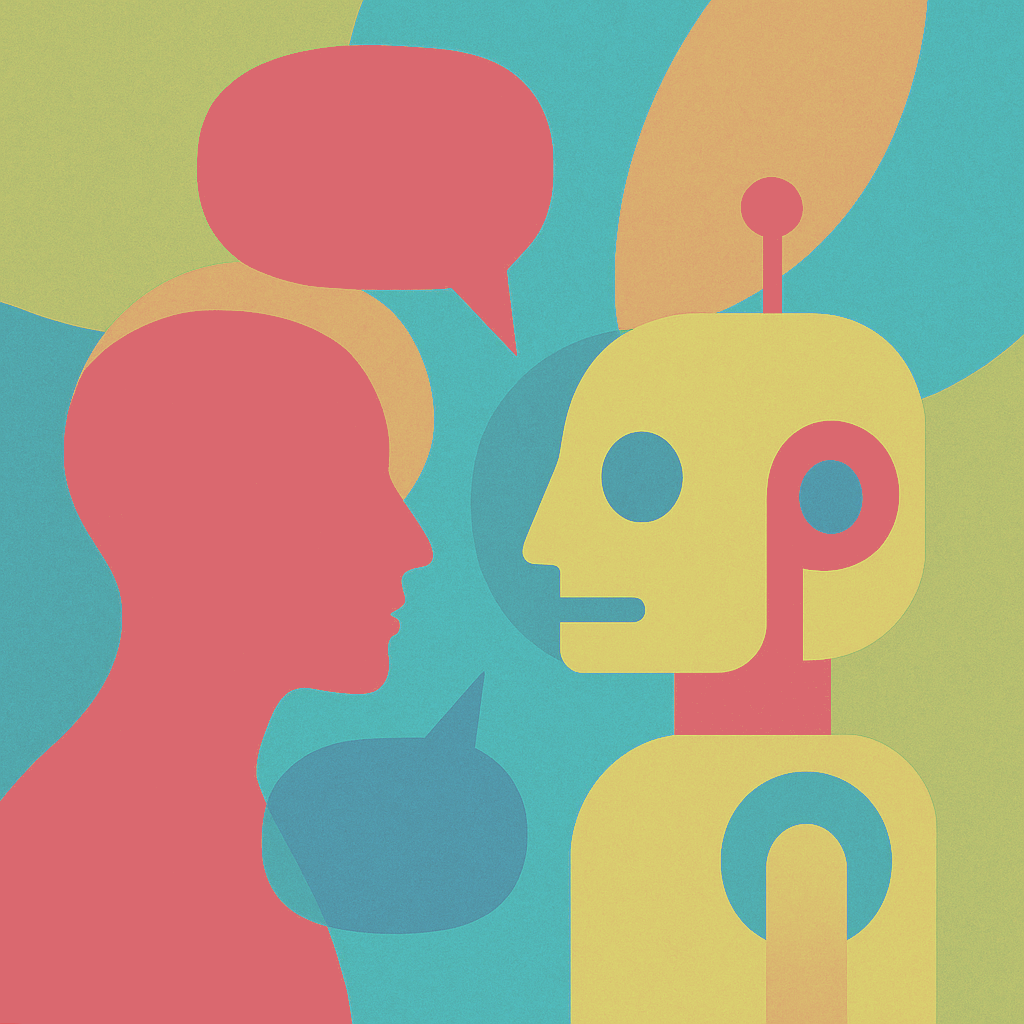
We investigate how social robots as interactive partners support learning processes, promote language development, and help examine cognitive processes under controlled conditions. In doing so, we also take ethical and child-centered aspects of interaction into account.
Individual differences and temperament
We investigate how individual behavior or language skills influence children's learning processes in social interactions. We explore how communication behavior and learning strategies change when children interact with familiar or unfamiliar partners, or when the learning context changes.


Linguistic variation and social networks
We investigate the characteristics and changes in children's social networks in relation to their linguistic and communicative development, based on the assumption that language is acquired through social relationships and interaction.